What Provenance Really Adds to a Lot
What Provenance Really Adds to a Lot
Author
Eleanor Whitfield
Category
Market Insights
Published date
Read time
5 min read
Why history moves the hammer
A clear chain of ownership does two things at once. It reassures buyers that a piece is authentic and lawfully sold, and it ties the object to names, houses, and moments that collectors want to be part of. Both reduce risk, and lower risk almost always translates into higher bids.
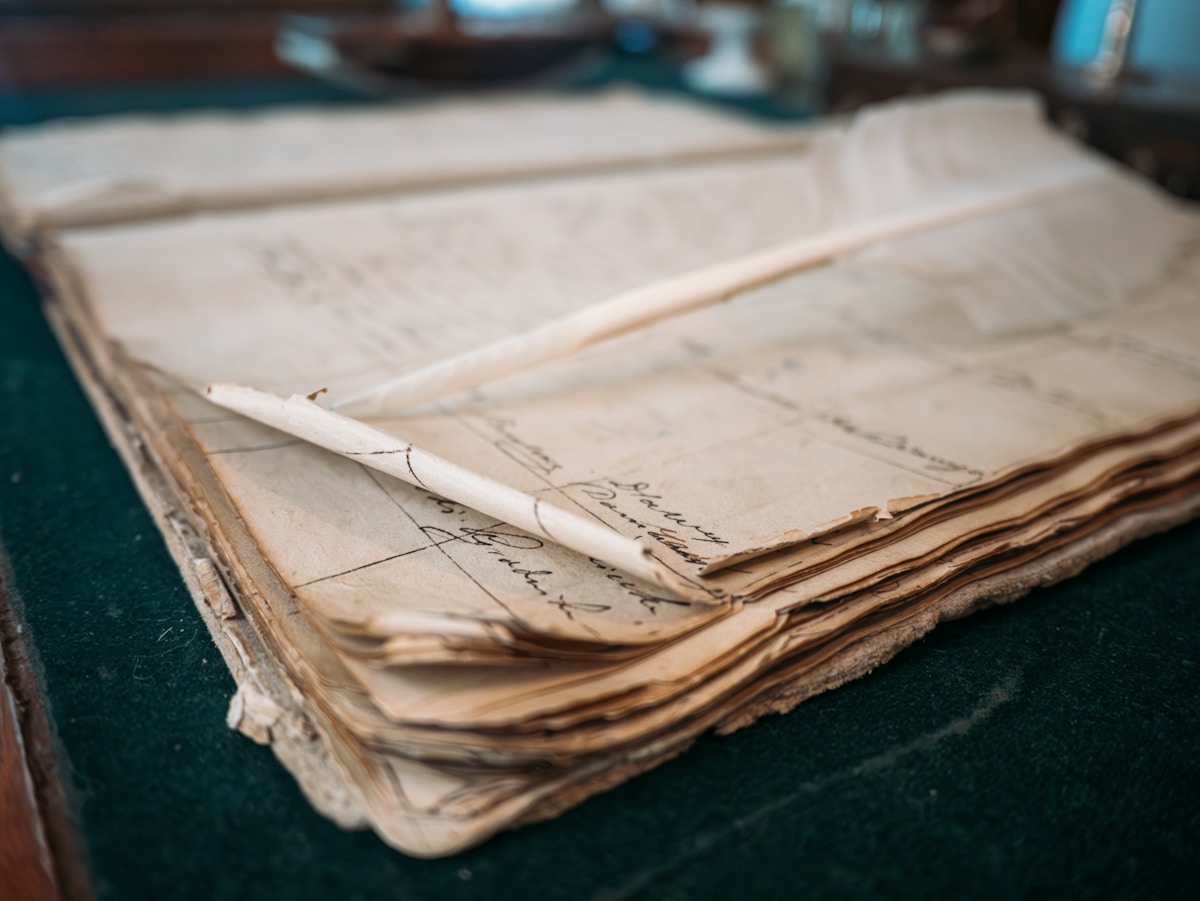
The strongest provenance is continuous and verifiable — old invoices, exhibition labels, estate inventories, or a mention in a period catalogue. Even a handwritten note in a family ledger can bridge a gap that would otherwise leave a buyer guessing.
When you consign with us, bring everything you have, however minor it seems. A faded receipt in a drawer can add a line to the catalogue entry, and that line can add a tier to the result.
Two near-identical vases can carry very different estimates, and the difference usually comes down to a single word: provenance. A documented history of ownership is often worth as much as the object’s condition.
Why history moves the hammer
A clear chain of ownership does two things at once. It reassures buyers that a piece is authentic and lawfully sold, and it ties the object to names, houses, and moments that collectors want to be part of. Both reduce risk, and lower risk almost always translates into higher bids.
The strongest provenance is continuous and verifiable — old invoices, exhibition labels, estate inventories, or a mention in a period catalogue. Even a handwritten note in a family ledger can bridge a gap that would otherwise leave a buyer guessing.
When you consign with us, bring everything you have, however minor it seems. A faded receipt in a drawer can add a line to the catalogue entry, and that line can add a tier to the result.
More insights